Fewer Plates, Deeper Impressions: The Case for Craft-Forward Catering
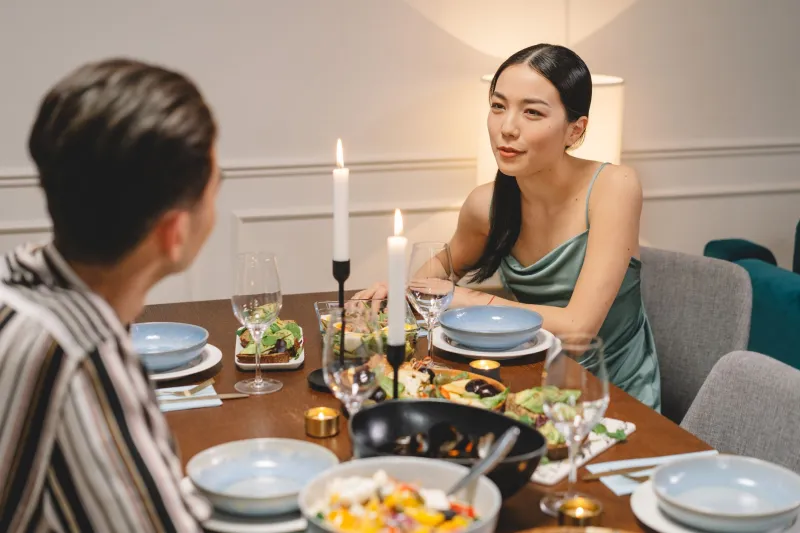
For decades, the American party was measured by abundance. Long buffet lines, chafing dishes in rows, a spread so generous it bordered on intimidating. But walk into the most talked-about dinners in New York, Austin, or Napa this season, and you'll notice something different: the tables are smaller, the menus are shorter, and the food is better.
The shift isn't about spending less. In many cases, hosts are spending more — they're simply reallocating their budgets from quantity to craft. The result is a style of entertaining that feels less like a production and more like a restaurant-quality experience, staged in a private home or intimate venue.
The End of the Overflowing Table
Event professionals trace the turning point to a change in guest expectations. After years of ordering directly from acclaimed restaurants and cooking along with streaming chefs, American guests arrived at private events with refined palates and shorter attention spans. A sprawling buffet, once a signal of hospitality, began to read as an admission that no single dish was worth savoring.
"Guests remember one perfect bite longer than a table of mediocre ones," says a veteran planner who has produced corporate dinners and wedding receptions across the Northeast. "When a host narrows the menu, they give the kitchen permission to do its best work."
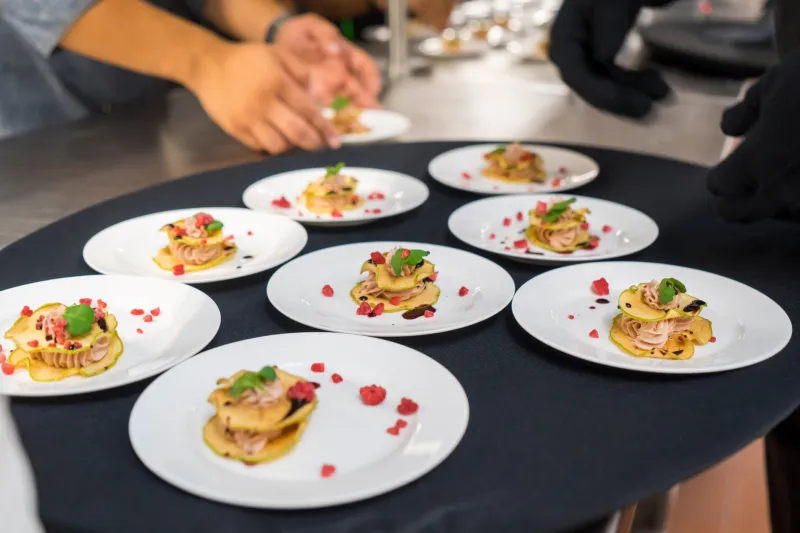
That permission matters. A private chef working with a four-course menu can source peak-season produce, refine sauces, and plate each course with the precision of a fine-dining kitchen. The same team stretched across a twelve-station buffet is managing logistics, not cooking.
Where the Budget Actually Goes
One of the most persistent misconceptions hosts bring to the planning table is that a shorter menu should cost less. In practice, the opposite is often true — and intentional.
Planners describe a common reallocation:
- Fewer proteins, higher quality. Instead of three average entrées, a single standout — dry-aged duck, line-caught fish, a locally raised heritage breed — anchors the menu.
- Labor over volume. Budget shifts from bulk ingredients to skilled hands: a chef de cuisine, dedicated servers, a sommelier for a curated pairing.
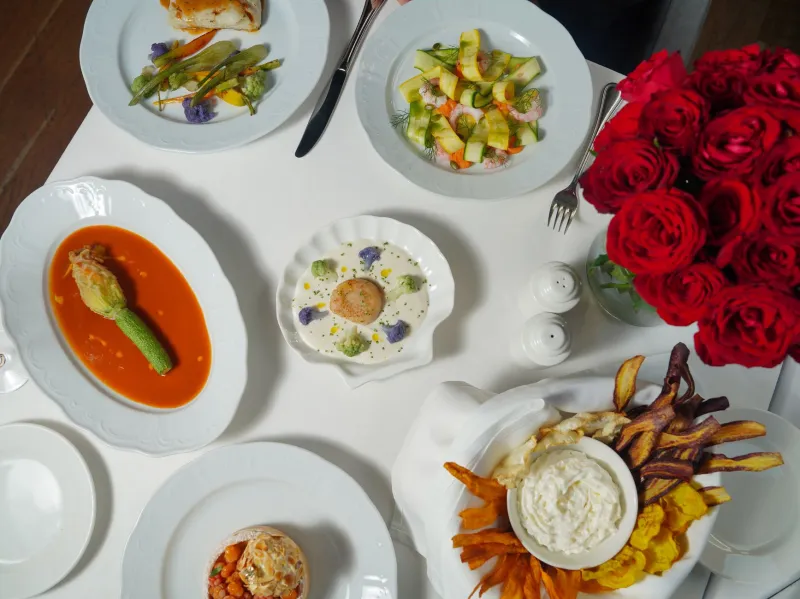
- Presentation and pacing. Renting proper flatware, investing in glassware, and building breathing room between courses cost little individually but transform the feel of the evening.
"We tell clients that every dollar saved on redundant dishes is a dollar available for execution," one planner explains. "That's where the guest experience is actually made."
Plated, Family-Style, or Something In Between
Once a host commits to a shorter menu, the next decision is service style — and each carries tradeoffs worth understanding before contracts are signed.
Plated service remains the gold standard for formality. Each guest receives a composed dish at the peak of temperature and presentation, and the kitchen controls pacing across the room. The costs are real: more servers, tighter timelines, and a menu that must work for a broad range of palates. But nothing signals a special occasion quite like a course arriving in unison, candlelight catching the rim of every plate.
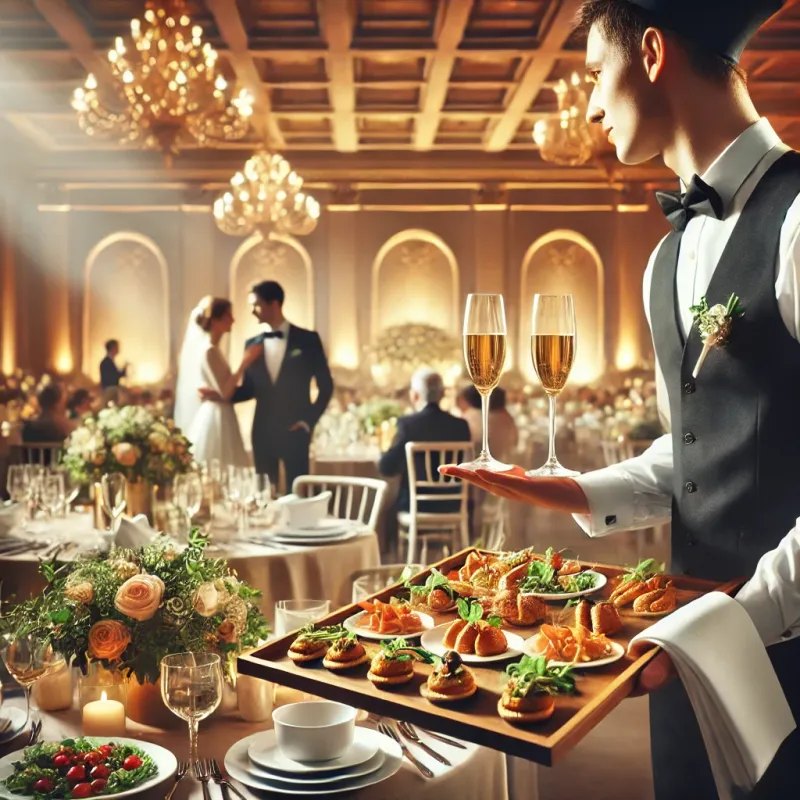
Family-style service trades some of that formality for warmth. Large platters pass hand to hand, conversation loosens, and the kitchen can prepare components in larger formats — a whole roasted fish, a braised short rib carved tableside. It suits long tables, celebratory crowds, and hosts who want the meal to feel generous without feeling industrial.
Interactive stations — a crudo bar, a pasta finished to order, a carving station — sit between the two, offering craft and spectacle. The risk, planners caution, is drift back toward buffet thinking. The rule of thumb: one station done brilliantly beats four done adequately.
The Memory Economics of a Short Menu
There's a quieter argument for fewer dishes, and it has nothing to do with cost. Guests experience a dinner as a sequence of moments, and each additional course dilutes the ones around it. A five-course menu where every plate lands creates a cumulative impression of care. A fifteen-item spread guarantees that most guests will encounter most of the food only once — if at all.
Psychologists of hospitality sometimes call this the peak-end rule: people remember the best moment and the final one. Smart hosts design for it. A striking second course that becomes the evening's signature. A dessert that closes the night with intention rather than a dessert table guests photograph and abandon.
A Trend That Rewards Restraint
None of this is austerity. The craft-forward dinner is, if anything, more indulgent than the banquet it replaces — just focused. It reflects a broader American shift toward experiences over accumulation, the same instinct that fills reservation books for tasting menus and pop-up dinners from Chicago to Charleston.
For hosts weighing their next event, the advice from professionals is consistent: decide what you want guests to remember, then fund it without compromise, and let everything else go. The buffet had its century. The table set with intention is having its moment — and it looks, and tastes, remarkable.