The Deal Is Made in the Dining Room: How Chef-Driven Catering Became Corporate America's Quiet Advantage
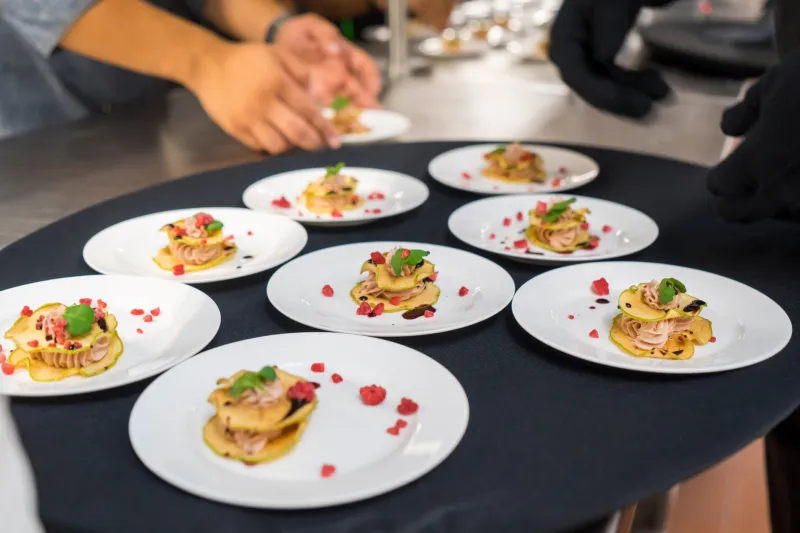
Walk into any high-stakes corporate gathering today — a recruitment dinner in Austin, an investor luncheon in Manhattan, a leadership offsite in Napa — and you will notice something has changed. The food is no longer an afterthought stacked on folding tables. It is plated. It is seasonal. It is, unmistakably, considered.
The sandwich platter era is over, and in its place has arrived a quieter truth of American business: people judge a company by how it feeds them. For event planners and executive assistants tasked with booking that next boardroom lunch, understanding this shift is no longer optional. It is strategy.
The Meal as a Message
Every catered event sends a signal, whether the host intends it or not. A lukewarm buffet in a conference room says the company is transactional. A chef-attended carving station built around a locally sourced menu says something else entirely — that the organization values craft, pays attention to detail, and treats guests as guests rather than line items.
Recruiters figured this out first. In a talent market where candidates weigh offers as much on culture as compensation, a dinner prepared by a professional chef at the final-stage interview has become a subtle differentiator. It tells a prospective hire: this is what working here feels like. No mission statement can say it as efficiently.
The same logic applies to client work. Deals are rarely closed in the meeting itself; they are closed in the margins — the conversation over the first course, the shared reaction to a dessert that arrived with real intention. Hospitality, in the oldest sense of the word, lowers defenses. That is precisely why it works.
From Quantity to Craft
The evolution of corporate catering in the United States mirrors broader changes in how Americans eat. A decade ago, office food was defined by volume — trays, tubs, and chafing dishes designed to feed a headcount at the lowest cost per plate. Today, the calculus has shifted toward experience.
Consider what modern corporate menus look like when done well:
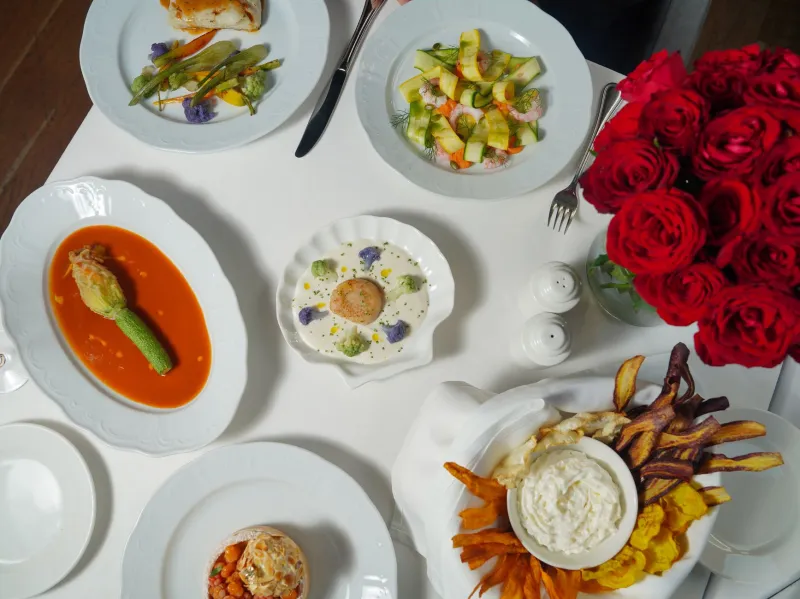
- Seasonal, regional sourcing — heirloom tomatoes in late summer, citrus-forward courses in winter, menus that reflect the city the guests are standing in
- Dietary fluency — vegetarian, gluten-free, and halal options built into the menu from the start, not patched on as an apology
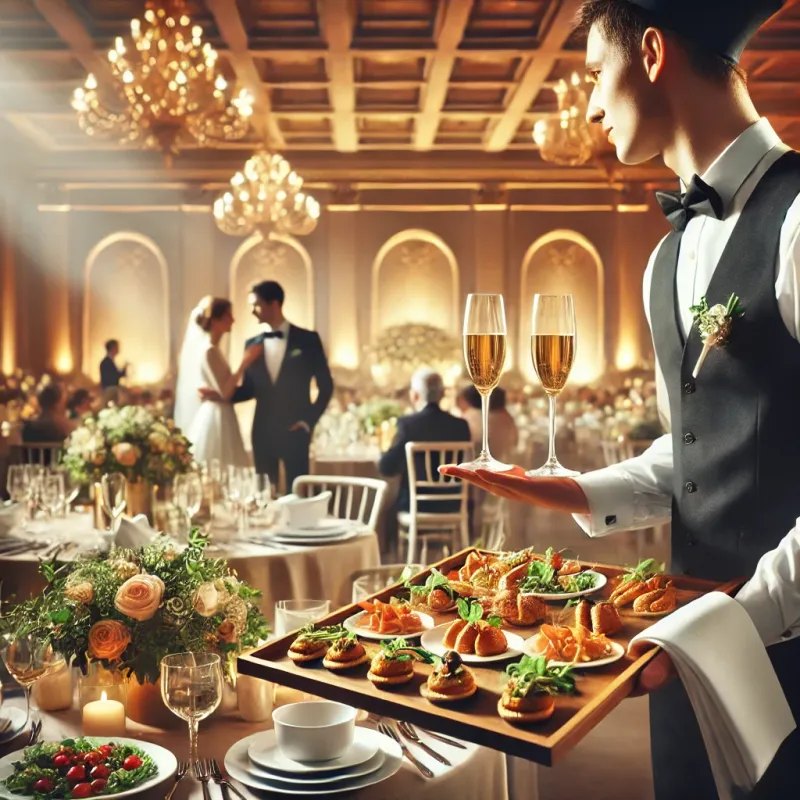
- Service as theater — passed hors d'oeuvres, chef-attended stations, and courses timed to the rhythm of the agenda
- Presentation that photographs — because in 2025, if the spread looks remarkable, your event markets itself
None of this requires a black-tie budget. It requires a partner who thinks like a chef rather than a vendor.
What to Ask Before You Sign the Contract
For the planners and office managers holding the purchasing decision, the difference between a forgettable lunch and a memorable one usually comes down to the questions asked in the proposal stage.
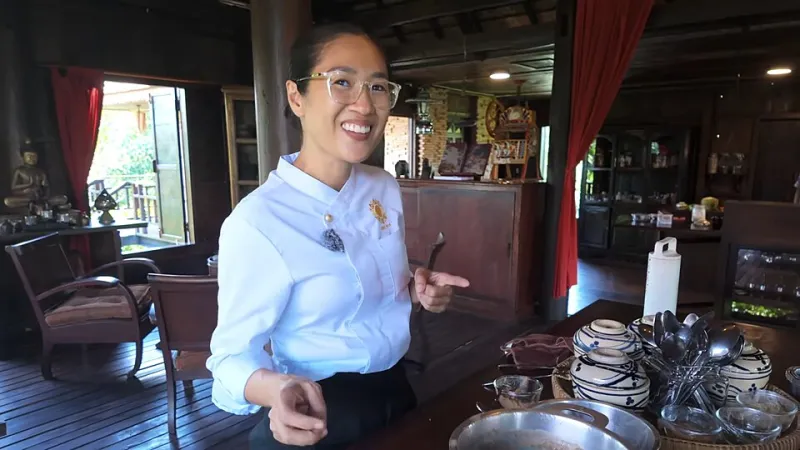
Ask who is actually cooking. A catering company that employs trained chefs — rather than assembling food in a central kitchen hours ahead — will produce a noticeably different result on the plate. Request a tasting. Any operation confident in its kitchen will offer one without hesitation.
Ask how they handle the agenda. Great corporate catering is choreography. Courses should land between speakers, not during them. A professional partner will ask for the run of show before quoting a menu; one that doesn't is telling you something.
Ask about the guest list, not just the headcount. Two events for forty people are not the same event. A room of prospective hires, a room of existing clients, and a room of internal executives each call for a different tone, menu, and pace of service.
Ask about logistics in writing. Rentals, staffing ratios, cleanup, and gratuity should be transparent up front. The best catering relationships are boring on paper and brilliant on the plate.
The Return on Hospitality
Skeptics in the finance department will reasonably ask what a chef-driven event actually returns. The honest answer: it is difficult to measure and impossible to miss. Candidates mention the dinner in their follow-up emails. Clients reference the meal weeks later. Employees talk about the holiday menu until spring.
Food is memory-adjacent. It is one of the few corporate investments that engages every sense at once. A company that feeds people well is making a claim about itself — that it sweats the details, that it respects the people in the room — and that claim compounds over time into brand culture.
Feeding the Room You Want to Keep
The boardroom power play of the moment is not a louder pitch or a flashier venue. It is a table set with intention. Whether the occasion is a forty-person recruitment dinner or a quarterly leadership lunch, the meal has become the medium through which American companies say who they are.
Choose the partner accordingly. The right one will not just cater the event — they will make the event worth remembering.