Before the First Course: What Private Chefs Quietly Wish Every Host Knew
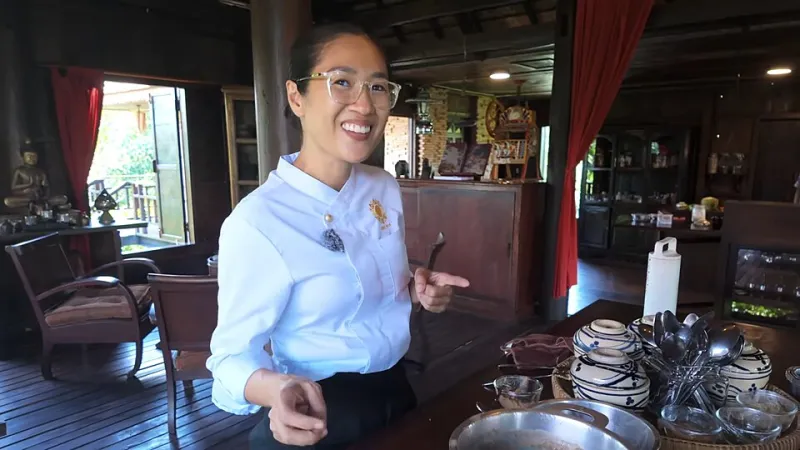
Photo: Noshivore, CC BY 3.0, via Wikimedia Commons
Booking a private chef for the first time carries a certain thrill — the anticipation of a restaurant-caliber meal unfolding in your own dining room, without a single dish to wash afterward. But according to the chefs on our roster, the difference between a good evening and an unforgettable one rarely comes down to the menu. It comes down to the details hosts share — or forget to share — before anyone picks up a knife.
We sat down with several of our veteran private chefs to hear, candidly, what they wish every client knew ahead of the doorbell. Their answers were remarkably consistent.
The Kitchen Tour Happens Before the Booking
"The most important conversation I have with a client isn't about food," says one of our Los Angeles-based chefs. "It's about their kitchen."
Before finalizing any menu, our chefs want to know what they're working with: Is there a full-size oven or a convection countertop model? A gas range or an induction cooktop? Is the dishwasher operational, and — perhaps most critically — where does the trash go? A chef designing a seared scallop course for a home with a single aging electric burner will quietly re-engineer the entire menu, and hosts who understand this upfront get better food for their budget.
A few photographs of your kitchen, sent during the planning phase, can save an enormous amount of day-of improvisation. Don't worry about the state of the space; chefs have cooked in everything from sprawling gourmet kitchens to studio apartments with a two-burner hot plate. We simply need the truth.
Reveal Dietary Restrictions Early — All of Them
Every chef we spoke with told a version of the same story: a guest mentions, as the first course is being plated, that they don't eat shellfish. Or gluten. Or alliums. The dish is already built, the shopping is done, and the chef has an hour to pivot.
"I can accommodate nearly anything," one New York chef told us. "What I can't accommodate is finding out at 6:45 for a 7:00 seating."
The guidance here is simple and twofold. First, share all allergies, aversions, and religious or medical dietary needs at the time of booking — not the week of, and certainly not the night of. Second, ask your guests directly. Hosts often hesitate to seem fussy, but chefs will tell you the opposite is true: a guest who watches a bespoke vegetarian plate arrive at their seat feels considered, not catered to.
The Guest Count Isn't Just a Number
A dinner for six and a dinner for ten are not the same event scaled up. They require different quantities, different equipment, different plating timelines, and often a second pair of hands in the kitchen. When your headcount shifts — and it will — tell your chef as soon as you know.
Conversely, resist the temptation to round up "just in case." Chefs plan proteins, sauces, and garnishes with intention. A surprise plus-four means recalculating portions mid-service, and the guests who were counted will notice the difference.
Give the Chef One Clear Vision, Then Step Back
The most successful dinners we cater share a common trait: the host arrived at a point of view before the planning began. "Celebrate an anniversary with the meal you ate on your first date" gives a chef something to build from. "Surprise me" sounds liberating but often produces a menu that misses the moment.
That said, once the vision is set, trust the professional. Chefs genuinely welcome input on flavor preferences, memorable dishes, and wines you'd like featured. What they need is a single point of contact who can make final decisions — not a committee of guests offering real-time suggestions from the couch.
Think About Flow, Not Just Food
The best private chefs think like stage managers. When they ask about your evening — will cocktails be served in the living room? Is there a separate dining space? What time do you hope to wrap? — they're choreographing pacing, not being nosy.
A few host-side details make an outsized difference:
- Clear the counters. Chefs need workspace more than they need a spotless kitchen.
- Set the table in advance, or let your chef's team handle it if service staff are included.
- Plan the music and lighting before guests arrive. Ambiance is the one element no chef can plate.
- Decide in advance whether you want the chef to interact with guests or work quietly behind the scenes. Both are wonderful; ambiguity is not.
The Cleanup Question, Answered
Nearly every first-time client asks the same hesitant question: will there be a mess? The answer, uniformly, is no. Private chefs through a full-service company like Chefs Inc. leave the kitchen as they found it — often better. Dishes run, floors swept, counters wiped. The only trace of the evening should be the satisfaction of your guests.
The Real Secret
When we pressed our chefs for the single thing they wish every host knew, the answer wasn't logistical at all. It was this: relax. The moment you hand your evening to a professional, your only job is to be a guest at your own table.
"People spend the first course apologizing for their kitchen," one chef laughed. "By dessert, they've forgotten they ever worried. That's the whole point of what we do."
Your chef has planned for the variables so you don't have to. Tell them the truth about your kitchen, your guests, and your vision — then pour the wine and let the evening unfold.