The Table at Home: How Private Chef Dinners Became America's New Status Meal
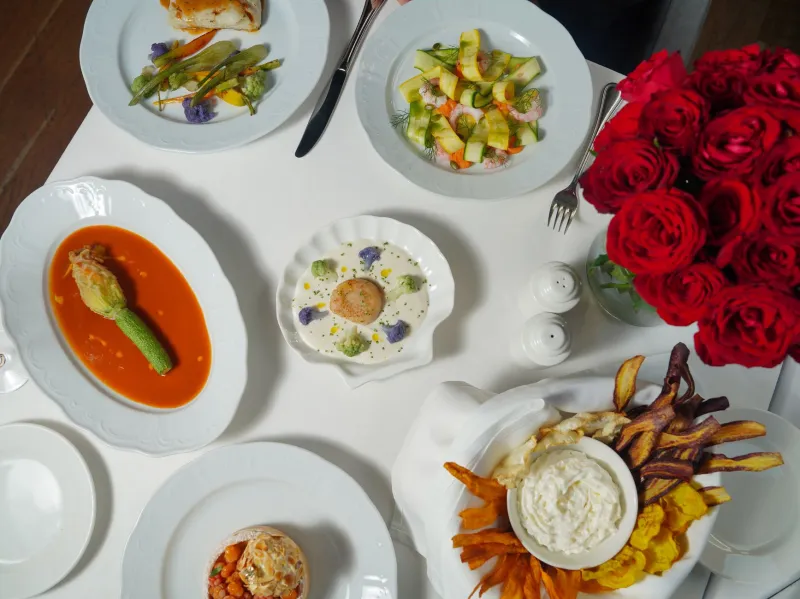
For decades, the benchmark of a memorable evening out was a reservation at a sought-after restaurant — the kind that requires a 30-day booking window and a deposit. But a noticeable shift is underway in American dining culture. Increasingly, the most coveted seat in the house isn't at a restaurant at all. It's at your own table, with a professional chef working in your kitchen.
From Reservation to Residence
The appeal is easy to understand once you've experienced it. At a restaurant, the menu is fixed, the pace is dictated by the kitchen's rhythm, and conversation competes with ambient noise. At home, the evening bends entirely to the host's vision: the wine you've been saving, the dietary needs of your guests, the ability to linger over a third course without a server discreetly presenting the check.
Private chefs describe a consistent pattern among new clients. Many are seasoned restaurant-goers who simply grew tired of the transaction. A tasting menu for six at a top-tier coastal restaurant can easily reach $250 to $450 per person before beverages, tax, and gratuity — and the evening ends when the restaurant closes, not when the conversation does.
The Numbers, Honestly Considered
Private chef services in the US typically fall into three tiers:
- Casual elevated dinners: $75–$125 per person, often three courses with a more relaxed service style.
- Multi-course fine dining at home: $150–$300 per person, including custom menu development, grocery sourcing, on-site cooking, service, and kitchen restoration.
- Full experiential evenings: $300 and up per person, adding sommelier pairings, additional service staff, and elaborate presentation.
For a party of eight, a premium at-home dinner may run $1,600 to $2,400 — comparable to a high-end restaurant evening once bar tabs, rideshare costs, and gratuities are tallied. The value proposition isn't necessarily a discount; it's what the money buys. Every dollar goes toward the meal and the people at the table rather than a restaurant's overhead.
Customization as Currency
What clients consistently cite, beyond cost logic, is control. A guest with celiac disease doesn't need a special request filed in advance — the entire menu is built around them. A host can recreate a meal from a honeymoon in Sicily, feature a family recipe elevated to fine-dining standards, or design a menu around produce from the Saturday farmers market.
There is also an understated element of prestige. Hosting a dinner where a professional chef arrives with a plan, executes flawlessly, and leaves the kitchen cleaner than they found it signals a certain refinement. In an era when experiences outpace possessions as markers of success, the chef-driven dinner party has become a quiet flex.
Who's Booking — and Why
The clientele has broadened well beyond the wealthy. Anniversary celebrations, milestone birthdays, client dinners, and even weekend gatherings among friends now routinely include a private chef. Remote workers relocating from major metros have brought big-city dining expectations to smaller markets, expanding demand for private chef services nationwide.
Hosts frequently report that the format changes the dynamic of the evening itself. Without a server interrupting, guests settle in. Dinners stretch from two hours to four. The kitchen — often the room everyone gravitates toward anyway — becomes a stage.
Is It Right for Your Next Evening?
A private chef experience works best when the host values intimacy and personalization over novelty. Consider it when:
- Your guest list includes multiple dietary restrictions that make restaurant menus difficult.
- The occasion is personal enough that a public dining room feels wrong.
- You want to serve wines or dishes with personal meaning.
- You'd rather host than cook — and you'd rather not spend the evening in the kitchen.
For those curious about the format, most professional services, including our team at Chefs Inc., begin with a consultation covering menu philosophy, budget, and the logistics of your kitchen. From there, the evening is designed rather than merely reserved.
The restaurant will always have its place. But for a growing number of American hosts, the finest table in town is the one they already own — and the chef who shows up to work at it is the reservation worth making.