The After-Dinner Hour: How Late-Night Service Extends a Private Event
At 10:12 p.m., the dining room has reached its most delicate moment. The last dinner plate has been cleared, coffee has been poured, and a handful of guests are glancing toward the door—not because they want to leave, but because the evening has lost its next cue. A private chef who plans for that moment can turn a graceful ending into a generous one. Late-night service, once an improvised plate of cookies or a tray of leftovers, is now a designed part of the event.
A Final Act, Not a Second Dinner
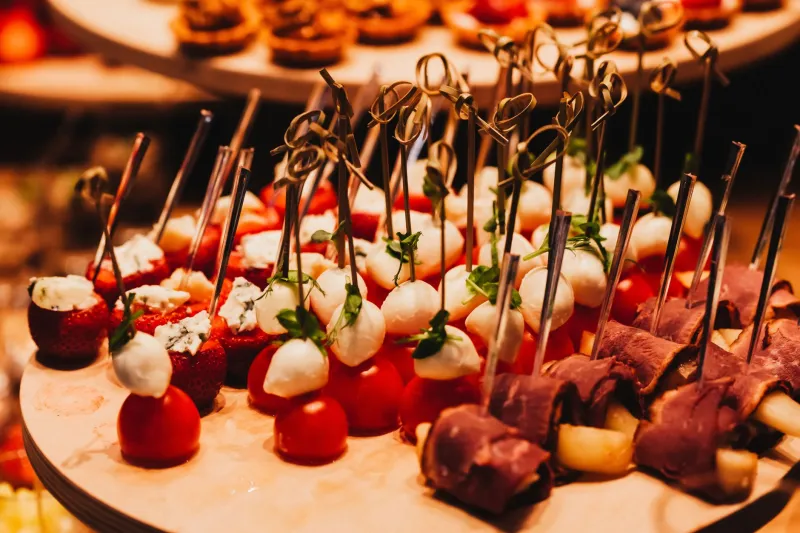
The distinction matters. A second formal meal would burden guests who have already eaten well and hosts who have already spent freely. Late-night service works because it is smaller, looser, and intentionally unceremonious. Passed sliders, miniature lobster rolls, warm pretzel bites with mustard, tiny tacos, and espresso-sized desserts give guests something to do with their hands and a reason to stay another thirty minutes. The food is familiar enough to feel effortless and precise enough to reflect the standard of the main dinner.
In 2026, planners are increasingly writing this hour into the run of show rather than leaving it to chance. The host who wants guests to linger no longer asks for more courses. They ask for a different kind of course: one that arrives after the table has been reset, the lights have been lowered, and the mood has shifted from seated to social.
Designing a Menu That Does Not Compete
The best late-night menus are built on restraint. A private chef typically selects three to five items, each designed to be eaten standing with one hand. Savory bites tend to outperform sweet ones, though a small dessert component—miniature tarts, dark chocolate squares, or a single perfect cookie—gives the service a finished feel. The menu should echo the dinner without repeating it. If the main course was beef, a tiny mushroom slider or a crisp vegetable tart can feel lighter and more welcome than another rich protein.
Temperature and timing are the quiet technical challenges. Fried items must be served within minutes, which means a chef either stations a cook nearby or chooses items that hold well under a heat lamp or in a warmed cabinet. Cold bites need a clean, stable presentation. Sauces should be thick enough not to drip onto formal attire. Planners often ask for a mix of vegetarian, seafood, and meat options, not to satisfy a crowd count but to give guests who have already eaten a choice that feels considerate rather than obligatory.
Staffing the Last Hour
Late-night service is short, but it is not simple. A passed-bite service for 60 guests may require two to three servers, one runner, and a station attendant, depending on the menu and the room. If the event includes a live station—a slider grill, a taco assembly line, or a miniature dessert bar—the staffing ratio changes. The chef must also account for cleanup, dish returns, and the fact that the main kitchen may still be in reset mode.
The most common mistake is treating late-night service as an extension of the dinner shift rather than a separate service window. Servers who have been on their feet since cocktail hour need a clear break or a fresh team. Equipment needs to be staged before the main dinner begins. Trash and recycling must be planned for, especially at residential events where the host’s kitchen is not built for commercial volume. The goal is a final hour that feels as calm as the first.
Pricing the Extra Hour
Pricing varies by market, menu, and staffing model, but the structure is consistent. Many private chefs quote late-night service as a per-person supplement, often in the range of $18 to $35 per guest for passed bites, with higher figures for station service or premium ingredients. A dedicated station may carry a flat fee, sometimes $500 to $1,200, plus staff hourly rates. Rentals, disposable serviceware, and additional labor are typically itemized.
Hosts should expect minimums. A chef who brings a second team, heats additional equipment, and stays past midnight is not simply adding a tray of food. The cost reflects time, logistics, and the risk of a service window that fails if it is understaffed. For planners, the clearer the brief, the more accurate the quote. A guest count, a firm service window, and a decision about passed versus stationed service will do more for the budget than a long list of menu ideas.
Why Hosts Are Buying the Extra Hour
The appeal is not excess. It is control over how an evening ends. A late-night bite gives guests a gentle reason to stay, and it gives the host a way to thank them without another seated course. It also solves a practical problem: guests who have been drinking, dancing, or talking for hours often want something small and savory before they leave. A well-designed final service meets that need without turning the event into a marathon.
For private chefs, the late-night hour is a chance to show range. It requires the same precision as a plated dinner, but it is delivered in a more relaxed register. For event planners, it is a differentiator that can be described simply: the evening does not end when the plates are cleared. It ends when the host decides it should.
At Chefs Inc., the measure of a private event is not only how the first course arrives, but how the last bite is offered. The after-dinner hour, handled with discipline and a little wit, is where that measure becomes visible.