No Asterisks at the Table: The Private Chef’s Approach to Allergen-Aware Menus
A private dinner is a promise made in courses. The host promises welcome, the chef promises craft, and the table promises that every guest can eat with confidence. In 2026, that promise increasingly includes guests with food allergies, gluten intolerance, vegan diets, and other restrictions. The modern private chef is not simply removing ingredients from a finished menu. The work is more deliberate: design a menu that is safe by construction, verify every source, brief every server, and present each plate as though it were the only plate that mattered.
Safety Is a System, Not a Substitution
The first distinction a private chef must establish is between preference and medical need. A guest who avoids dairy for ethical reasons requires respectful menu design. A guest with a severe tree nut allergy requires a safety plan. Confusing the two can create unnecessary risk. Chefs Inc. approaches the intake process as a structured conversation: what the guest must avoid, how severe the reaction can be, whether cross-contact is a concern, and what the host knows about the guest’s history. The answers shape sourcing, prep, plating, and service.
That information should never live only in a text message. A written guest profile, reviewed before purchasing and again before service, gives the kitchen a single source of truth. For hosts, the benefit is quieter: they can stop worrying about whether the caterer remembered and start enjoying the evening.
Menu Architecture: Build Naturally, Not by Subtraction
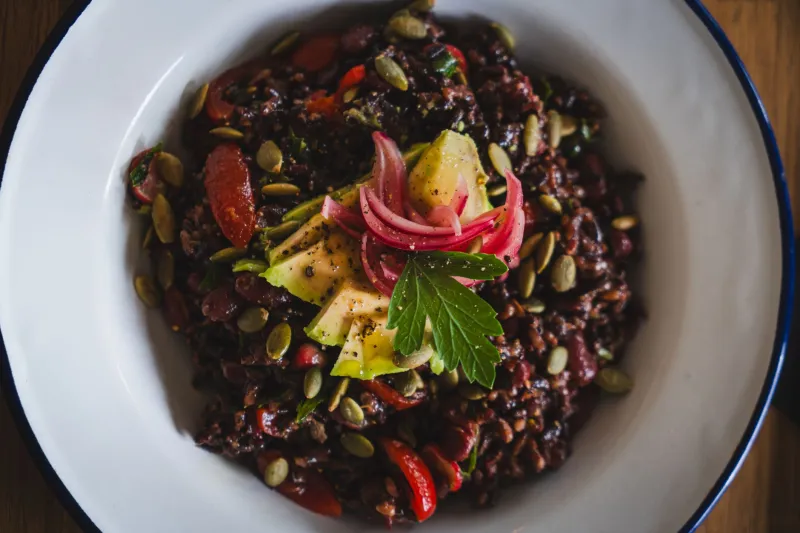
The strongest allergen-aware menus do not read like a list of omissions. They read like a coherent dinner. A chef might build a first course around roasted squash, bitter greens, and a seed-based crunch rather than trying to recreate a cheese course without dairy. A main course might center on braised short ribs with a naturally gluten-free sauce, or a whole roasted cauliflower with a sunflower romesco for a vegan guest. The point is not to mimic every original dish. The point is to give each guest a plate with the same visual weight, texture, and sense of occasion.
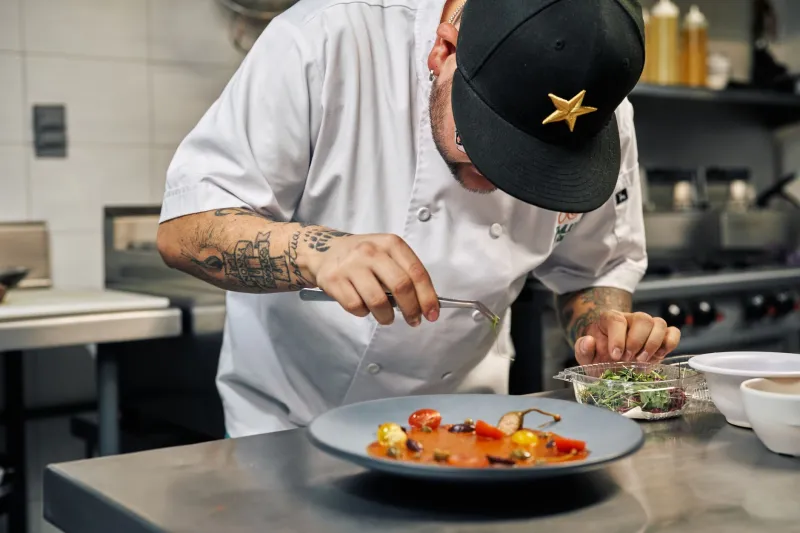
Presentation parity matters. When one guest receives a plain bowl while others receive a composed plate, the table notices. Private chefs therefore plate allergen-aware dishes with the same garnishes, vessels, and sauce work whenever it is safe to do so. The guest should feel included in the design, not accommodated after the fact.
Sourcing With a Paper Trail
Allergen-aware cooking begins long before heat meets pan. Supplier verification is part of the craft. Packaged ingredients are read at delivery, not just at menu planning, because formulations change and shared facilities vary. Bulk bins are avoided in kitchens managing gluten or nut allergies. Butchers and fishmongers are asked about handling practices. Produce is washed and stored with separation in mind. For hosts, this may look like extra diligence behind the scenes. In practice, it is the difference between a menu that sounds safe and one that is controlled.
Private chefs also resist the temptation to promise more than a supply chain can guarantee. A restaurant may disclose risk on a menu. A private chef must communicate it directly. If a product is made in a facility that also processes peanuts, the host and guest should know before the menu is finalized. Transparency is not a weakness in hospitality. It is the foundation of trust.
The Kitchen Protocol
Inside the kitchen, allergen-aware service depends on ordinary discipline repeated without exception. Dedicated cutting boards and utensils are assigned. Prep surfaces are cleaned before the special dish begins. Fryers are not shared when gluten is a concern. Finished plates are covered and labeled. During service, the runner knows exactly which seat receives which plate. The goal is not to make the restriction visible to the whole room. The goal is to make the correct delivery automatic.
Staff briefings are equally important. Servers should understand the difference between a preference and an allergy, and they should never guess. If a guest asks whether a sauce contains sesame, the answer should come from the chef, not from memory. A short pre-service huddle can prevent a long evening of uncertainty.
Communication With Hosts and Guests
The host is the chef’s partner, but the guest is the authority on the guest’s needs. Chefs encourage hosts to share a draft menu with restricted guests before the event when possible. This gives the guest a chance to confirm details and allows the chef to adjust without improvisation at the table. It also protects the host from awkward last-minute conversations.
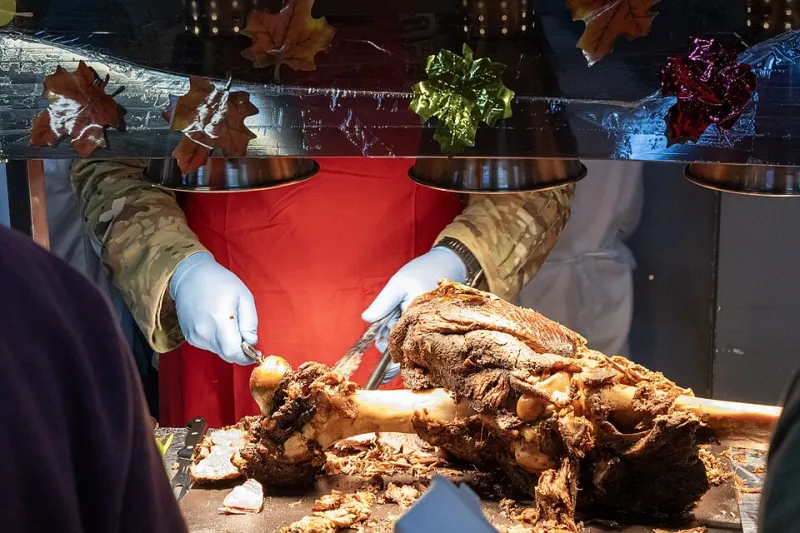
Good communication includes limits. A private chef should be clear about what can be safely delivered and what cannot. Buffet service, for example, carries more cross-contact risk than plated service. A chef may recommend individually plated portions for guests with severe allergies, even when the rest of the event is family style. That recommendation is not an inconvenience. It is professional care.
Flavor Without Compromise
Allergen-aware food fails when it is treated as a clinical exercise. The same principles that make any dish memorable still apply: acid for lift, fat for richness, salt for focus, and texture for contrast. A dairy-free sauce can gain body from pureed vegetables. A gluten-free dessert can succeed through almond flour, rice flour, or cornmeal—provided the chef has verified the guest’s full allergen profile. A vegan main can feel substantial when it is built around mushrooms, legumes, grains, and careful roasting rather than a single substitute product.
The chef’s task is to make the guest feel that the menu was designed for everyone, not edited for one person. That is the quiet luxury of inclusive private dining. The guest receives a plate without an asterisk, and the host receives the confidence that comes from a table where no one is left watching the others eat.
At Chefs Inc., this approach reflects a broader shift in American private dining: hospitality is no longer measured only by the richness of the menu, but by the precision of the welcome. Allergen-aware menus are not a niche service. They are part of what it means to cook for a real guest list in 2026.