Delegate the Oven, Keep the Carving: A Thanksgiving 2026 Playbook for Hosts
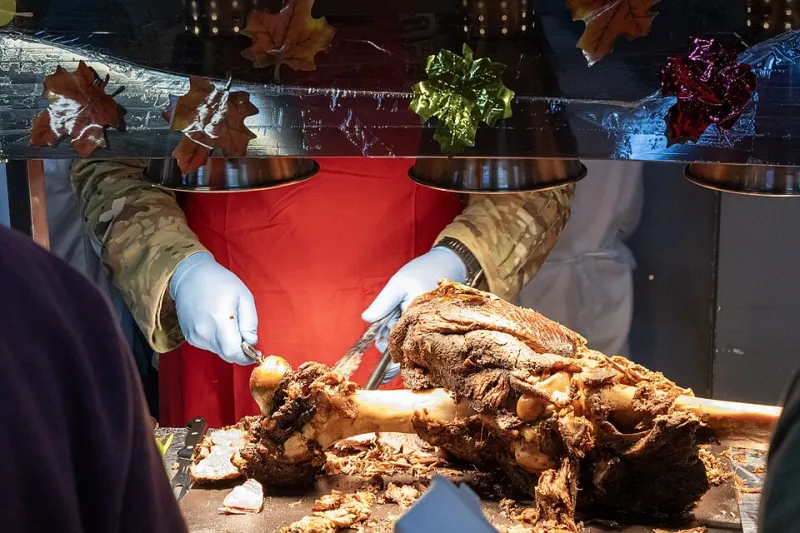
Photo: U.S. Air Force AFCENT by Tech. Sgt. Zachary Kee, Public domain, via Wikimedia Commons
Thanksgiving is a relay with a hot finish. By the time the bird reaches the table, hours of oven arithmetic, refrigeration decisions, and room management have already happened behind the scenes. For many American hosts, the question in 2026 is no longer whether to accept help, but how to accept it without turning a family ritual into a catered event. The answer is not to hand over the entire holiday. It is to separate logistics from heirloom moments, delegate the former, and protect the latter.
With Thanksgiving 2026 falling on November 26, hosts who begin planning now are working on a compressed but workable timeline. A private chef or catering team can still be a steadying presence, provided the briefing is clear and the boundaries are honest. The goal is simple: less time in the kitchen, more time at the head of the table.
The Real Decision: Logistics or Heirloom?
Before comparing menus or quotes, hosts should make one list with two columns. In the first column, place everything that is essentially logistics: oven capacity, reheating schedules, ice, rentals, wine service, trash removal, and the location of the nearest grocery store open on Thanksgiving morning. In the second column, place what might be called heirloom work: carving the turkey, a grandmother's stuffing, the welcome toast, the seating arrangement, and the moment when guests are invited to the table.
A useful test is to ask, If this went wrong, would it be a story or a footnote? A shortage of ice is a footnote. A dry bird with no gravy is a story. A missing pie is a footnote if the table is full; a missing family recipe is a story. Delegate the footnotes. Keep the stories.
This distinction also helps hosts brief a private chef without micromanaging. The chef needs to know which dishes are nonnegotiable, which flavors are expected, and which parts of the day belong to the host. That is not a lack of trust. It is a clear scope of work.
What to Delegate, and What to Keep
The Bird
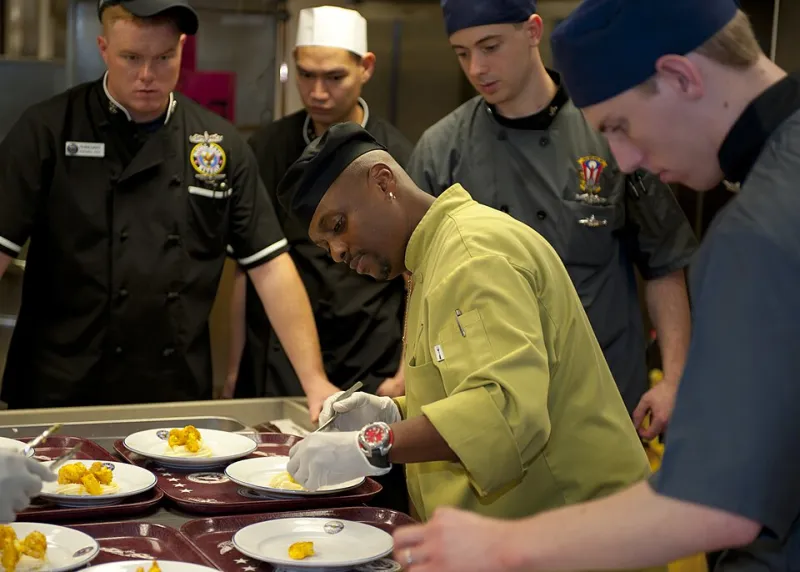
The turkey is the most emotionally loaded item on the table and the most practical item to divide. A private chef can roast and deliver the bird hot, manage the brine and timing, and provide carving support. A host can also keep the turkey at home and hand off the sides, service, and cleanup. The right choice depends on oven space, comfort, and the meaning of the carving moment.
If carving is a family ritual, keep it. Let the chef roast, rest, and present the bird, then step back while the host takes the knife. If the host would rather not manage a 14-pound bird at 7:30 in the morning, delegate the roasting and keep the presentation. Either way, decide early who owns the turkey's temperature, transport, and resting time. The handoff is where good intentions usually go cold.
Sides and Gravy
Sides are the most forgiving place to accept help. A professional kitchen can produce mashed potatoes, vegetables, rolls, and stuffing at scale without crowding the home oven. Gravy is a technical sauce, and it is often the first thing to cause anxiety when the turkey finishes early or late. Delegating gravy is not a surrender of tradition; it is insurance against a table-wide shortage.
Keep one or two signature dishes if they carry family meaning. A private chef can follow a written recipe or work alongside the host during a prep session. The important thing is to label the dish clearly and decide whether it is a family recipe to be reproduced or a new addition to the menu.
Service and the Room
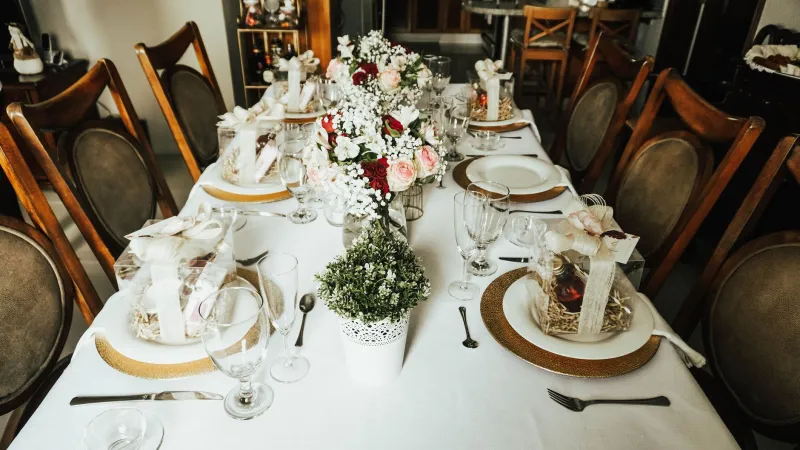
Service is where catering support quietly earns its keep. Staff can greet guests, take coats, manage water and wine, pass appetizers, clear plates, and keep the dining room from becoming a staging area. This is especially useful in homes where the kitchen opens directly onto the gathering space. The host can remain with guests instead of disappearing to find serving spoons.
Keep the welcome toast and the seating plan. Those are host duties, not staff duties. A service team can support the rhythm of the meal without owning its emotional center.
Cleanup
Cleanup is the easiest item to delegate and the hardest to overvalue. A kitchen reset, dishwashing, trash removal, and leftover packing can turn a pleasant evening into a manageable one. Hosts should confirm whether cleanup is included in the quote or billed by the hour, and whether the team will stay through dessert or depart after the main course.
A Briefing Timeline That Respects the Holiday
Eight to ten weeks out is the ideal window for a private chef, but a compressed schedule can work. In early November 2026, hosts should move quickly through four decisions: guest count, budget range, the keep-or-delegate list, and the service style. From there, the briefing can follow a practical sequence.
- Now through mid-November: Confirm guest count and dietary needs. Decide whether the turkey stays home or goes to the chef. Ask about kitchen access, parking, and arrival time.
- Two weeks before: Finalize the menu and the service plan. Confirm rentals, staffing hours, and whether the team handles leftovers. Identify the one or two dishes that must follow a family recipe.
- The week of Thanksgiving: Share a written timeline. Include oven and refrigerator space, the carving plan, appetizer setup, and the moment the host wants guests seated. Label anything that should not be moved.
- Day of service: Keep the host out of the kitchen. The best private-chef support is visible at the table and nearly invisible in the prep.
Budget Questions to Ask Before the First Shopping Trip
A clear quote is more useful than a low estimate. Hosts should ask whether pricing is per person or flat, and whether groceries, the turkey, rentals, staff hours, travel, and gratuity are included. Ask what happens if the guest count changes by four people. Ask who buys the ice, the coffee, and the extra butter. Ask whether the team will pack leftovers and whether containers are provided.
It is also fair to ask for a comparison between drop-off service and full service. Drop-off may suit a host who wants the food handled but the room kept private. Full service may suit a host who wants the evening to run without a single trip to the kitchen. Neither is inherently better; they solve different problems.
Guest Flow and the Leftover Plan
Thanksgiving works best when the room has a clear geography. Appetizers should be set away from the kitchen door. The bar should not block the path to the dining table. The carving station, if used, should be visible but not crowded. A private chef or service team can help choreograph these details, but the host should approve the plan in advance.
Leftovers deserve their own briefing. Ask the team to cool and pack food in labeled containers, keep raw and cooked items separate, and leave clear reheating notes. Send guests home with boxes if that is part of the tradition. A good leftover plan extends the holiday and reduces the quiet stress of a refrigerator filled with unmarked foil.
Thanksgiving is not a performance. It is a gathering with a very demanding oven schedule. The right private chef or catering support does not replace hospitality; it protects it. At Chefs Inc., the measure of a successful holiday handoff is not how much the host delegated, but how present the host remained. Delegate the oven. Keep the carving. The room will remember the difference.