Calm Is on the Prep List: The Three Working Days Behind a Seamless Private Dinner
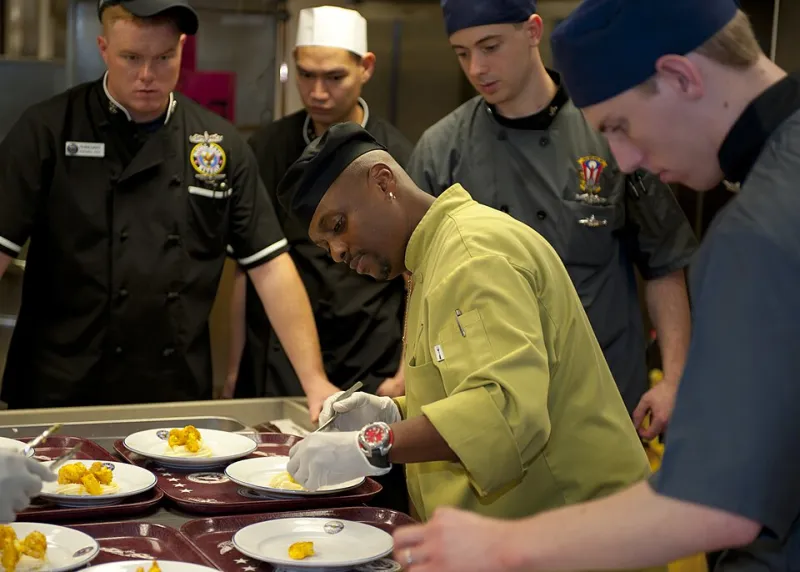
Photo: U.S. Navy photo by Seaman Chris D. Bartlett, Public domain, via Wikimedia Commons
The Contract Is the Starting Gun
For a host, signing the agreement feels like the end of a conversation. For the private chef, it is the moment the clock starts. Between that signature and the first plated course sits a compressed, highly sequenced sprint that most guests never see — and that is precisely the point. The evening should feel unhurried. The three days behind it should not.
At Chefs Inc., we describe this window as the quiet machinery of the dinner. It is where a menu stops being a proposal and becomes a set of instructions: who arrives when, which purveyor confirms by which hour, how many salad forks are needed, and what happens if the fish is a half-pound short. The calmest rooms are almost always the ones where every one of those questions was answered days earlier.
What follows is a working account of that final stretch.
T-72: The Order Books Close
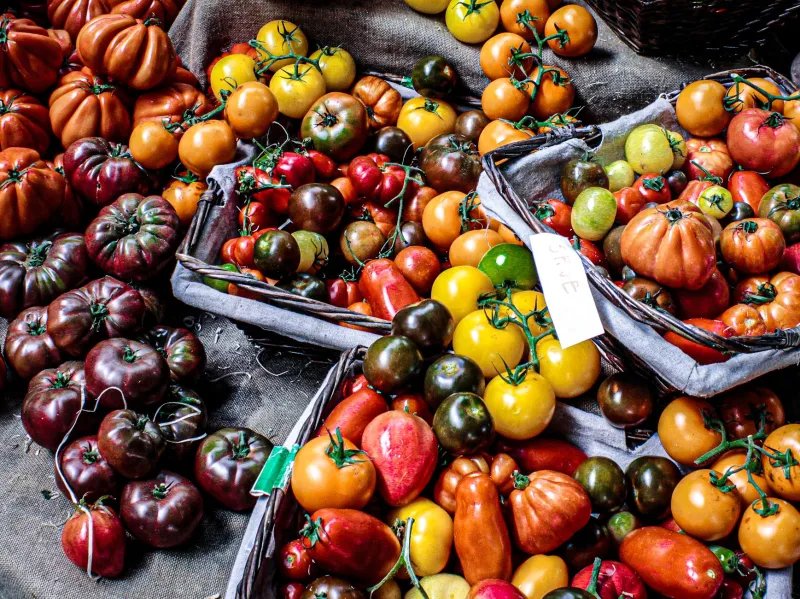
Seventy-two hours out, the menu is locked and the purchasing begins in earnest. In most major US markets, specialty purveyors — the ones who carry day-boat seafood, heritage produce, or a particular cultured butter — want final counts well before the event. Many close their order books by mid-afternoon two days prior to delivery, and a missed cutoff is not a small inconvenience; it is a redesign of a course.
The chef is reconciling three documents at once: the confirmed guest count, the dietary matrix, and the running cost sheet. The dietary matrix is the one that demands the most care. A guest who avoids gluten is straightforward. A guest with a severe tree-nut allergy changes the shopping list, the prep surface, and the plating sequence. Allergen cross-checks are documented, not remembered.
By the end of this day, the menu is no longer flexible. That is a feature. A locked menu is what allows the next 48 hours to run on rails.
T-48: Paperwork Becomes a Plan
With the food ordered, the chef turns to the room. This is the day that separates a good dinner from a professional one, and it is almost entirely administrative.
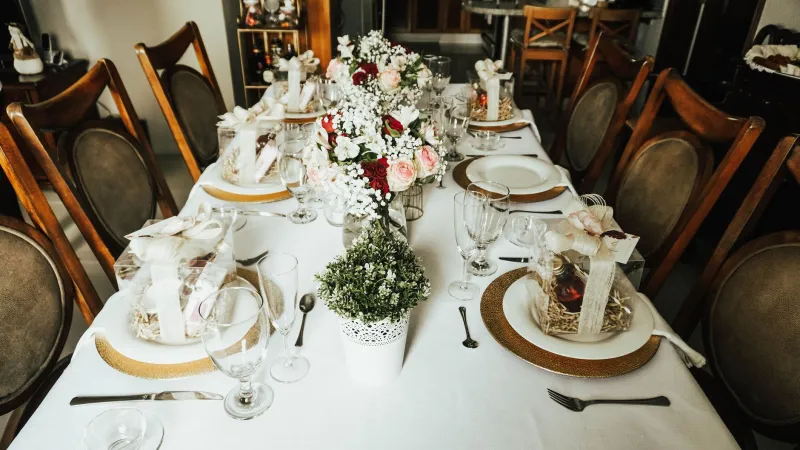
A call sheet goes out to the team: arrival times, station assignments, dress code, and the name of the on-site contact. Rentals are confirmed in exact numbers — china, glassware, flatware, linen, chafing dishes if the service calls for them. For dinners in private homes, the count includes a cushion for breakage. For events in rented venues, the venue receives a certificate of insurance, a load-in window, and a reservation for the freight elevator if one is required. Parking permits are arranged where the city demands them.
Back in the kitchen, the prep list is broken down by station and by hour. Stocks are started. Doughs are mixed and rested. Sauces that improve overnight are made now rather than later. The chef is also building the pack-out diagram — a written plan for how the van will be loaded so that nothing is buried under anything else at the moment it is needed.
None of this appears on a menu. All of it determines whether the menu arrives intact.
T-24: The Rehearsal Without an Audience
One day out is receiving day. Deliveries are inspected at the door: temperature logs recorded, produce checked for the specific ripeness the recipe assumes, proteins weighed against the order. Anything that falls short is replaced now, while replacement is still possible.
The afternoon is spent on fabrication and mise en place — butchery, portioning, blanching, the small components that give a plate its depth. The kitchen is organized around a simple principle: on the day of the event, the chef should be finishing, not starting.
The final task of the evening is a walkthrough of the site, whether in person or by video. Where does the van park? Which door opens to the kitchen? Is there counter space, or does the team bring its own folding tables? Is the oven convection or conventional, and does it run hot? Chefs who skip this step tend to discover its value at the worst possible moment.
The Morning Of: A Van, a List, and No Surprises
On the day itself, the van is loaded at dawn or shortly after, packed to the diagram drawn two days prior. Ice goes in last. The tool roll — knives, thermometers, towels, tasting spoons — rides up front, because it is the one thing that must never be unpacked in the wrong order.
Load-in typically begins two to three hours before the first guest arrives. The team sets the kitchen, stages the plating surfaces, and confirms the service timeline with the host. Then comes the part guests rarely consider: the final sweep. Counters wiped, trash removed, compost separated, the borrowed kitchen returned in better condition than it was found. A private chef who leaves a mess has not finished the job, regardless of how good the short ribs were.
Why the Quiet Costs What It Costs
The invoice for a private dinner reflects food cost and service, certainly. It also reflects the 72 hours described above — the calls, the cushions, the insurance, the contingency planning, and the experienced judgment that decides which risks are worth taking. That labor is invisible by design. Its success is measured in what did not go wrong.
Hosts sometimes ask how to make a dinner feel this effortless. The honest answer is that they already have: by hiring early, confirming counts promptly, and trusting the timeline. The calmest evenings are not lucky. They were decided days before anyone sat down.