The Clock in the Next Room: How Chefs Pace a Private Dinner
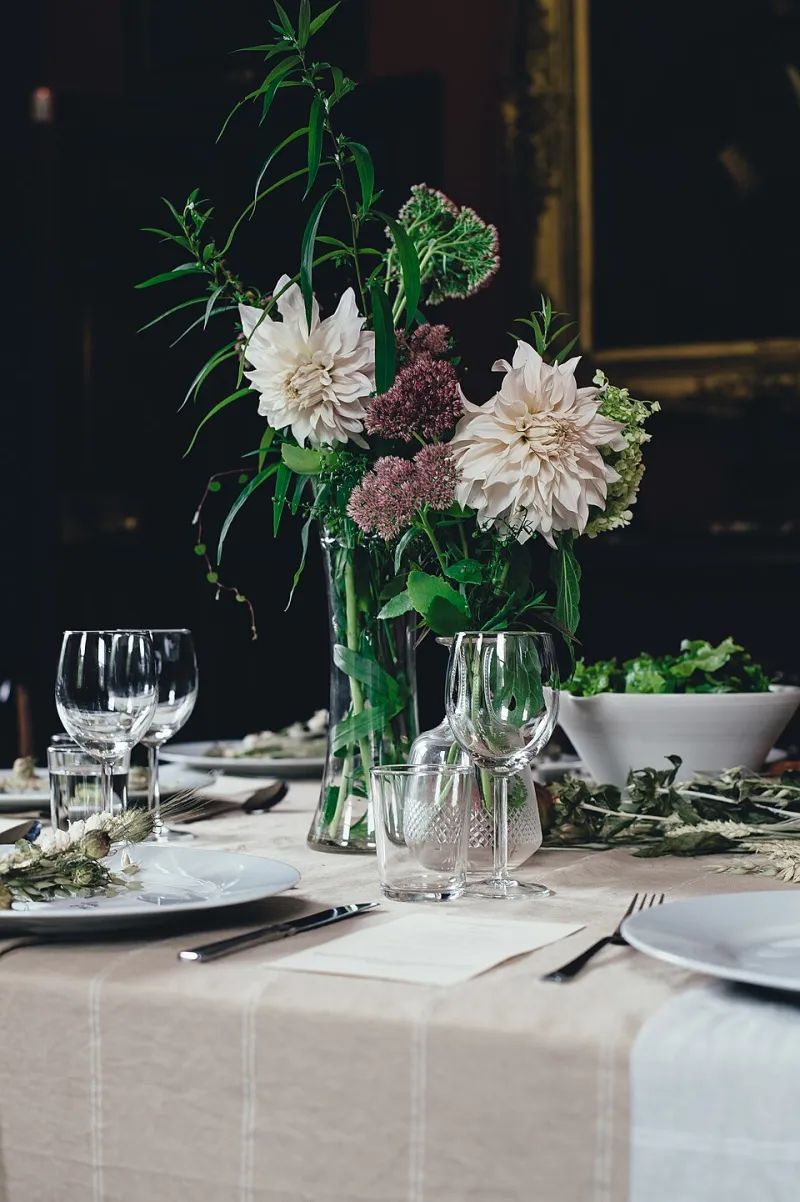
Photo: Annie Spratt anniespratt, CC0, via Wikimedia Commons
Guests rarely remember how long a dinner took. They remember whether it felt right. A meal that stretches past its natural length produces a particular kind of restlessness, the glance toward the door, the phone that appears face-up on the table. A meal that moves too quickly leaves a table feeling handled rather than hosted.
Behind that impression sits a working number many chefs carry in their heads: roughly ninety minutes from the first course to the last, give or take the room. It is not a rule. It is a rhythm.
Why Ninety Minutes Works
Ninety minutes is long enough for guests to settle, for conversation to find its footing, and for three or four courses to land with proper spacing. It is short enough that attention does not begin to wander and that a weeknight dinner remains a pleasure rather than an obligation.
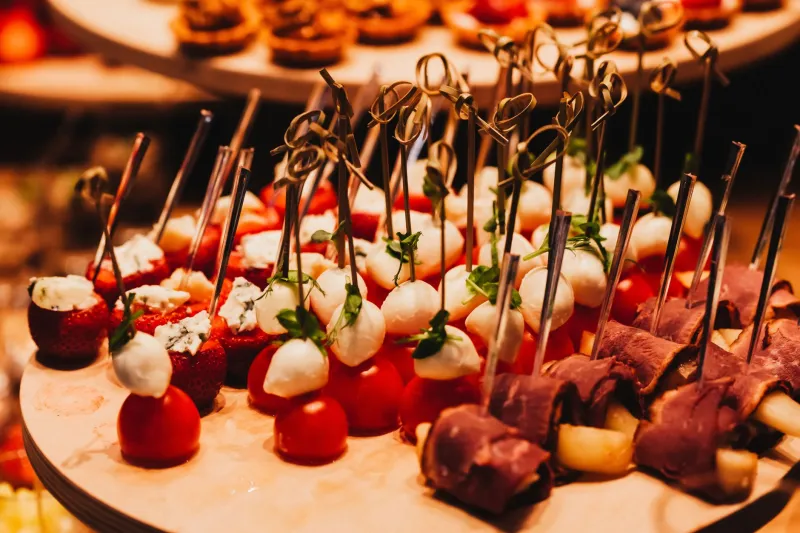
For seated dinners, courses usually land twenty to thirty minutes apart, with the entrée receiving slightly more room than the courses on either side. Cocktail hour, which sits outside that count, is where most evenings are won or lost. Forty-five minutes of passed canapés feels generous. Ninety minutes of them feels like a delay with shrimp on it.
Planning Backward From the Last Bite
Chefs who pace well build a timeline in reverse. If dessert is intended for nine o'clock, the entrée is cleared at half past eight, the fish goes out at eight, and the first course is on the table at twenty past seven. From there, the kitchen schedule is written: when the sauce is finished, when the protein rests, when the plates are warmed.
This backward map accounts for the parts of service guests never see. Clearing a table for twelve takes four minutes with adequate staff and eleven without. Plating a course takes three minutes per plate in a strong kitchen and longer in a home with one oven. A chef who does not calculate those minutes will find them anyway, subtracted from the guests' patience.
The Handoff
The most common source of a stalled dinner is not the kitchen. It is the gap between the kitchen and the dining room. Food is ready and no one is ready to carry it. Or the table is cleared and the next course is not yet plated.
Professional service treats that boundary as a single operation. A captain or lead server reads the table and signals the kitchen. The chef plates in time with the signal rather than in hope of it. In a well-run private dinner, the kitchen finishes a course as the last plate from the previous one leaves the room.
For hosts without a service team, the equivalent is a simple agreement about who is watching the table. Without that agreement, the host becomes the messenger, and a host who is running between rooms is not hosting.
Reading the Room
The fixed timeline is a starting point, not a contract. Experienced chefs watch for signals: the pace of conversation, how quickly glasses are emptied, whether guests are leaning in or settling back. A table deep in a lively conversation can absorb an extra five minutes before the next course. A quiet table with a formal toast ahead of it may need the entrée sooner.
There are also practical reads. An older guest list may prefer a slightly earlier and shorter evening. A summer dinner on a terrace may run longer because the setting invites lingering. A business dinner may want a tighter arc, with dessert and coffee compressed into a single service so that the real conversation can begin.
Where Dinners Lose Their Pace
Most pacing problems come from four places. The first is an overlong cocktail hour. The second is too many courses, a temptation that grows with the occasion and rarely improves it. The third is a dense plate, a course so heavy that the table needs a full thirty minutes before it can face the next. The fourth is a kitchen that attempts cooking techniques suited to a restaurant brigade in a home with one oven and two burners.
Each of these is a design decision made days or weeks earlier. Pace is rarely lost on the night. It is lost in the menu.
When to Break the Rule
Some dinners should run long. A milestone birthday, a tasting menu with paired wines, a holiday table where the point is the conversation rather than the food. In those cases the ninety-minute frame is deliberately stretched, and the kitchen compensates with lighter courses, longer gaps, and, occasionally, a small intermezzo that resets the table's attention.
The key is that the stretch is intentional. A dinner that runs two and a half hours because the kitchen is struggling is a different experience from one that runs two and a half hours because the host asked for it.
What Hosts Control
The host's contribution to pacing begins before the chef arrives. A confirmed guest count and a firm start time do more for the evening than any table decoration. So does a seating plan that places the right conversations next to one another. Toasts placed at the start of dessert rather than mid-course protect the kitchen's timing, and a clear signal about when guests are expected to arrive keeps cocktail hour from quietly doubling.
Pacing is not the work guests notice. It is the reason they never have to.